Chess is a two-player strategy game played on a 64-square board, recognized as a sport by the IOC. Each player controls 16 pieces with the goal of checkmating the opponent's king. Mastering piece movements, special rules like castling and en passant, and tournament formats is essential for physical education exams.
Test your Chess knowledge. Take a timed test or practice individual questions below.
Take a Test
Select the number of questions and begin your timed assessment
Choose Question Count
or enter custom count
60s per question
Passing: 50%
Question 1 of 10
00:00
Test Complete!
0/0Score
0%Percentage
—Status
00:00Time Taken
6Total Questions
0Answered
0Correct
0%Score
1How many squares are on a standard chess board?
A. 49 squares
B. 64 squares
C. 81 squares
D. 100 squares
2How many pieces does each player have at the start?
A. 12 pieces
B. 14 pieces
C. 16 pieces
D. 20 pieces
3Which piece can only move diagonally?
A. Rook
B. Bishop
C. Knight
D. King
4Which piece moves in an L-shape?
A. Bishop
B. Knight
C. Rook
D. Queen
5What is it called when the king is in check and cannot escape?
A. Stalemate
B. Checkmate
C. Draw
D. Fork
6What is castling in chess?
A. A type of check
B. A king and rook move together
C. A pawn promotion
D. A draw offer
Quiz Complete!
You answered 0 out of 0 questions correctly.
Rules & Regulations
Master the complete rules of Chess.
Dimensions
Court, pitch, and equipment measurements.
Practice MCQs
Test your knowledge with interactive quizzes.
10 FAQs
Most frequently asked questions answered.
Detailed Overview
Chess is a two-player strategy board game played on a checkered board with 64 squares. Each player controls 16 pieces: a king, queen, two rooks, two bishops, two knights, and eight pawns. The goal is to checkmate the opponent's king. Chess is recognized as a sport by the International Olympic Committee.
Key Topics for MCQ Preparation
Focus on these important topics when preparing for Chess MCQs in physical education exams:
Team Composition
Number of players, positions, and substitutions
Match Duration
Quarters, halves, periods, and time limits
Field Dimensions
Court, pitch, and equipment measurements
Fouls & Penalties
Violations, cards, and penalty systems
Governing Bodies
International and national organizations
Major Tournaments
World cups, championships, and premier events
Rules & Scoring
How points are scored and matches are won
Techniques & Skills
Key techniques, strokes, and playing styles
Rules & Regulations
White always moves first.
Each player has 16 pieces: 1 king, 1 queen, 2 rooks, 2 bishops, 2 knights, and 8 pawns.
The king moves one square in any direction.
The queen moves any number of squares in any direction.
Rooks move horizontally or vertically; bishops move diagonally.
Knights move in an L-shape (2 squares one direction, 1 square perpendicular).
Pawns move forward one square (or two on their first move) and capture diagonally.
Checkmate occurs when the king is in check and cannot escape capture.
Pitch / Court Dimensions
Board size: 8x8 squares (64 total)
Board dimension: typically 40-50 cm square
Square size: 5-6 cm (tournament standard)
King height: 9.5 cm (tournament standard)
Queen height: 8.5 cm
Pawn height: 5 cm
Piece base diameter: 3-4 cm
Board colors: light and dark squares (typically white and dark green/brown)
Quick Facts at a Glance
SportChess
Players per TeamWhite always moves first.
Match FormatEach player has 16 pieces: 1 king, 1 queen, 2 rooks, 2 bishops, 2 knights, and 8 pawns.
Key DimensionBoard size: 8x8 squares (64 total)
Frequently Asked Questions
Find answers to the most common questions about Chess.
What is the difference between check and checkmate?
Check means the king is under attack but can escape. Checkmate means the king is under attack and has no legal move to escape, ending the game.
What is castling in chess?
Castling is a special move involving the king and one rook. The king moves two squares toward the rook, and the rook moves to the square the king passed over. It can only be done if neither piece has moved and no pieces are between them.
What is en passant?
En passant is a special pawn capture. If a pawn moves two squares forward and lands beside an opponent's pawn, the opponent can capture it as if it had moved only one square. This must be done on the next move.
What is pawn promotion?
When a pawn reaches the opposite end of the board, it must be promoted to a queen, rook, bishop, or knight of the same color. The player chooses which piece, typically a queen.
What is a stalemate?
A stalemate occurs when the player whose turn it is has no legal moves but their king is not in check. The game ends in a draw.
What is the Elo rating system in chess?
The Elo system is a method for calculating the relative skill levels of players. Players gain or lose points based on game outcomes and the rating difference between opponents. Grandmasters typically have ratings above 2500.
What is a fork in chess?
A fork is a tactic where a single piece attacks two or more opponent pieces simultaneously. A knight fork is particularly dangerous because the attacked pieces cannot block the knight's attack.
What is the difference between a pin and a skewer?
A pin holds a piece in place because moving it would expose a more valuable piece behind it. A skewer forces a valuable piece to move, exposing a less valuable piece behind it to capture.
What are the time controls in chess?
Time controls vary: Classical (90 minutes for 40 moves, then increments), Rapid (15-60 minutes per player), Blitz (3-5 minutes per player), and Bullet (1-2 minutes per player). The chess clock tracks each player's time.
Who was the first official World Chess Champion?
Wilhelm Steinitz became the first official World Chess Champion in 1886. Other notable champions include Emanuel Lasker, Bobby Fischer, Garry Kasparov, and Magnus Carlsen.


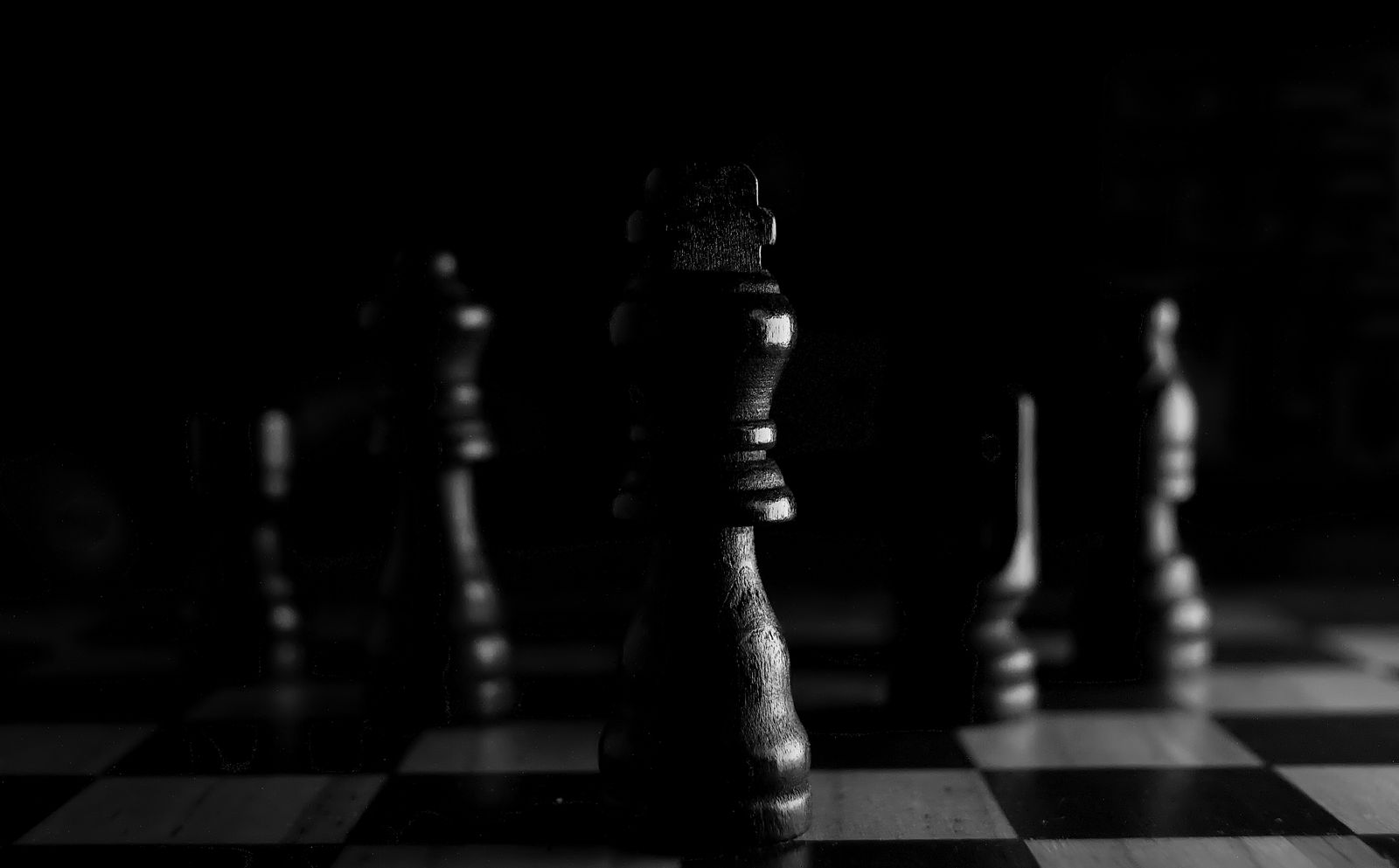
 The Royal Game